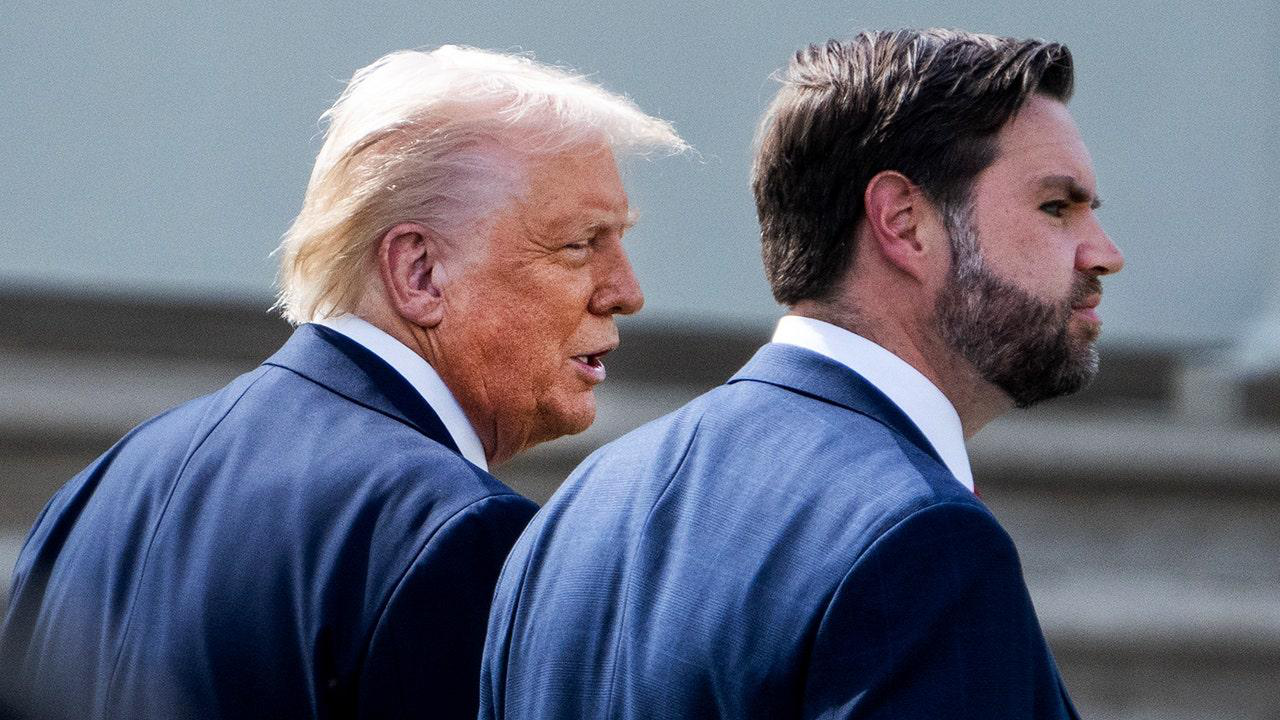

In 2024, young American men helped Donald Trump return to the White House. Two years later, many of those same voters turned toward Democrats.
Did an entire generation change its political beliefs in just two years? Or are America's youngest voters sending a message that neither party fully understands?
The November 2026 midterms revealed something remarkable about Generation Z: Its political loyalties may be far less predictable than Washington assumes.
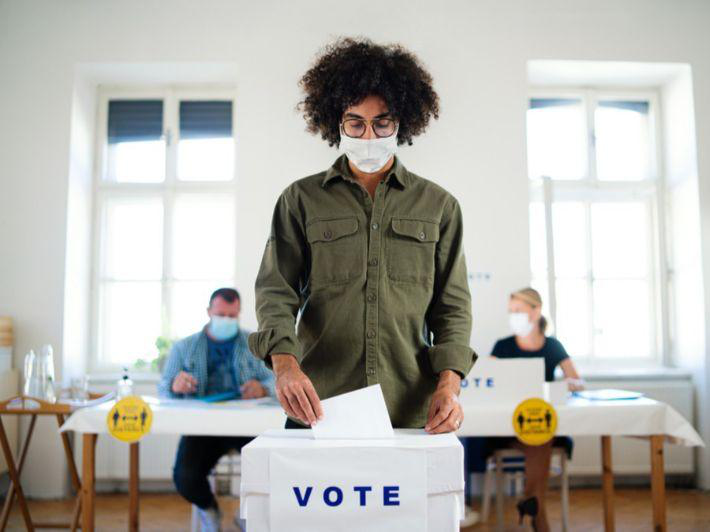
According to research from Tufts University's Center for Information & Research on Civic Learning and Engagement (CIRCLE), approximately 27% of Americans between 18 and 29 participated in the midterm elections. An estimated 66% supported Democratic congressional candidates.
That represents a significant shift from 2024, when Donald Trump made substantial gains among young voters, particularly men.
But interpreting this shift as a permanent Democratic realignment would be premature.
A Generation With Different Priorities
For many young Americans, politics is increasingly about immediate economic realities rather than traditional party identities.
Housing costs, student debt, healthcare, job security, and the cost of everyday life are not abstract policy debates. They are challenges shaping the transition into adulthood.
A young professional struggling to afford an apartment may care less about ideological arguments in Washington than whether either party can make financial independence attainable.
For college students, the question may be even more fundamental: Will their education lead to meaningful employment, or simply leave them with years of debt?
These concerns help explain why the economy remained a leading issue among younger voters in 2026.
From Trump to Democrats and Perhaps Back Again?
Republicans demonstrated in 2024 that younger voters, especially men, could be reached through unconventional political communication.
Podcasts, online personalities, and social media helped reshape the way campaigns interacted with a generation that increasingly consumes information outside traditional news outlets.
Yet the 2026 results suggest that successfully attracting young voters once does not guarantee their continued support.
Democrats now face a similar challenge.
Winning young voters during an election is one achievement. Convincing them that their economic circumstances have improved is another.
If Democrats interpret the midterm results as an unconditional endorsement of their policies, they may end up having misunderstood the very voters who supported them.
Republicans face an equally important question: Were younger voters attracted to Trump's political movement, or to the promise that he could improve their lives?
The distinction matters.
Washington Cannot Take This Youth for Granted
Generation Z is growing into a major political force, but it is not a single ideological community.
Young men and women, college graduates and non-graduates, and voters from different economic backgrounds often have distinct priorities.
What connects many of them is not necessarily a shared party affiliation, but an expectation that political leadership should produce tangible results.
That creates both an opportunity and a challenge for America's political parties.
Republicans cannot assume that the young voters who supported Trump in 2024 will automatically return. Democrats cannot assume that their 2026 gains will last.
Perhaps the most revealing lesson from the last two elections is that younger Americans are increasingly willing to reconsider their political choices.
The question is no longer simply which party young Americans support. It is whether either party can give them a compelling reason to stay.