
The votes have been counted, leading to a Democratic victory in both chambers of the U.S. Congress, and now as a result the Republican Party is confronting a question it has largely avoided for years: What happens when Donald Trump's political influence becomes a source of division rather than unity?
The 2026 midterm elections delivered a painful defeat for Republicans, including losses in multiple states that were long considered reliable conservative territory. Now the consequences may extend well beyond the balance of power in Washington.
For the first time in Trump's second presidency, the debate over the Republican Party's future is becoming increasingly public.
And the battle is not simply about who might succeed Trump in 2028. It is about what kind of Republican Party will emerge after him.
A Party Divided Over Its Own Defeat
The reaction to their defeat on November 3 among Republicans has been unusually direct.
Florida Governor Ron DeSantis described the election results as an "extinction-level event," while Texas Senator Ted Cruz compared the outcome to a "Watergate-level repudiation," according to Associated Press reports.
Their language reflects the seriousness with which some prominent Republicans view the party's losses.
But Republicans disagree about the causes.
Some blame Trump's policies, particularly tariffs, the war with Iran, and the rising cost of living. Others argue that Republican candidates failed to communicate effectively or that the administration was poorly served by its advisers.
Trump, meanwhile, has shown little willingness to accept personal responsibility for the outcome.
The result is a party debating not only how it lost, but whether its political strategy needs fundamental change.
JD Vance and the Question of Succession
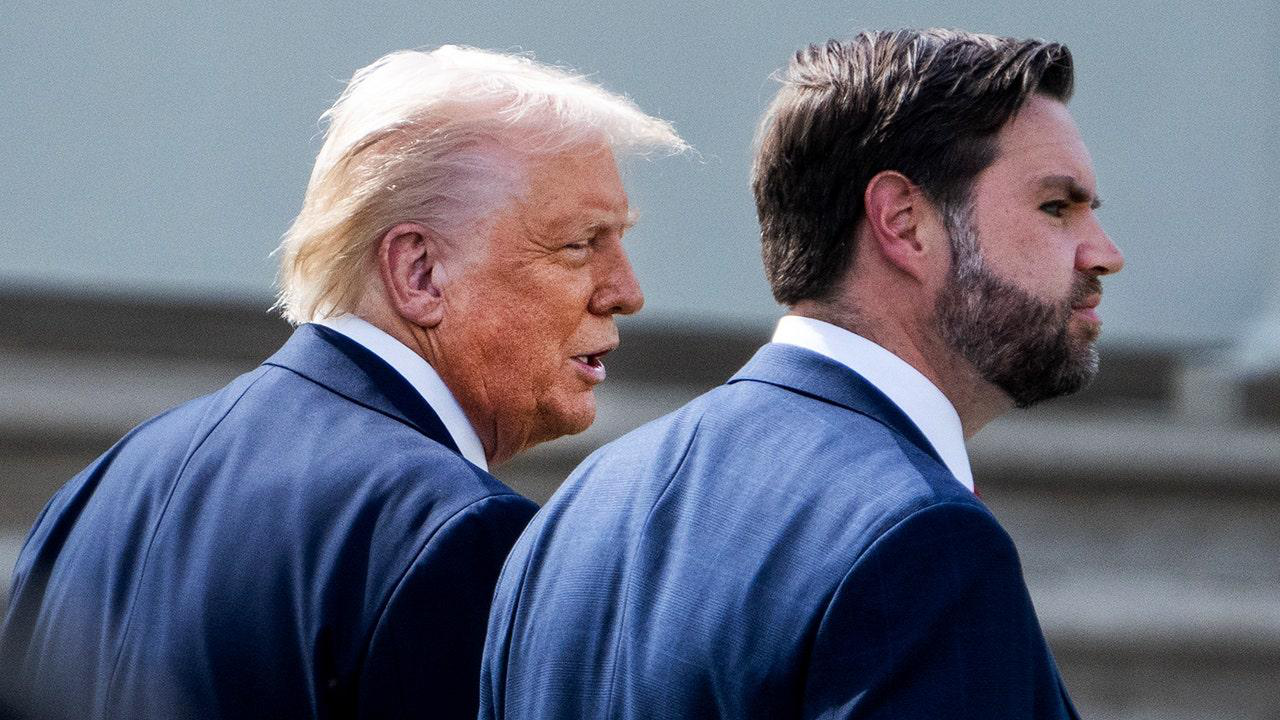
Vice President JD Vance is already attracting attention as Republicans consider their future.
According to Reuters, Vance increasingly emphasized his own political priorities during the closing stages of the midterm campaign, focusing on economic nationalism, public safety, and foreign policy restraint rather than defending every aspect of Trump's record.
That distinction matters.
Vance represents a generation of Republicans shaped by Trump's political movement but potentially interested in defining its next chapter.
Secretary of State Marco Rubio, Florida Governor Ron DeSantis, and other prominent Republicans could also become part of the broader leadership debate.
The question is whether Trump's successor must preserve his political approach or develop a different relationship with voters who have grown dissatisfied with the party.
Is MAGA Bigger Than Trump?
Perhaps the most consequential disagreement is emerging within the MAGA movement itself.
Reuters reported on November 8 that some self-identified MAGA supporters are openly questioning Trump's leadership following the election defeat. Others remain committed to him but blame Republican officials and advisers for the party's failures.
This division exposes a fundamental uncertainty.
Is MAGA primarily a political movement built around immigration restrictions, economic nationalism, and opposition to the political establishment? Or is its identity inseparable from Donald Trump himself?
The answer could define Republican politics for years.
Trump continues to command substantial loyalty among conservatives. Yet loyalty within a political movement does not automatically translate into electoral success among independents, suburban voters, and younger Americans.
The Battle Beyond Washington
The Republican leadership struggle will not be settled by presidential hopefuls alone.
Congressional Republicans must decide how aggressively to challenge the incoming Democratic majorities. Party officials must determine whether to maintain Trump's influence over candidate selection. Republican governors and donors will face their own decisions about political priorities.
Meanwhile, the economic concerns that helped shape the midterm results remain unresolved.
For Republicans, the challenge is therefore both ideological and practical: maintaining the enthusiasm of their existing supporters while rebuilding trust among voters who turned away from the party.
The Republican Party's Defining Question
Donald Trump remains president, and his influence over Republican politics has not disappeared.
But the midterms have changed the conversation.
The struggle now unfolding is not merely about replacing one political leader with another. It is about whether a party transformed by Trump can adapt to a political environment in which his leadership is increasingly contested.
The coming months may reveal how Republicans intend to answer that question.
The Republican Party spent the past decade defining itself through Donald Trump. Its next challenge is deciding whether its future must be defined by him as well.