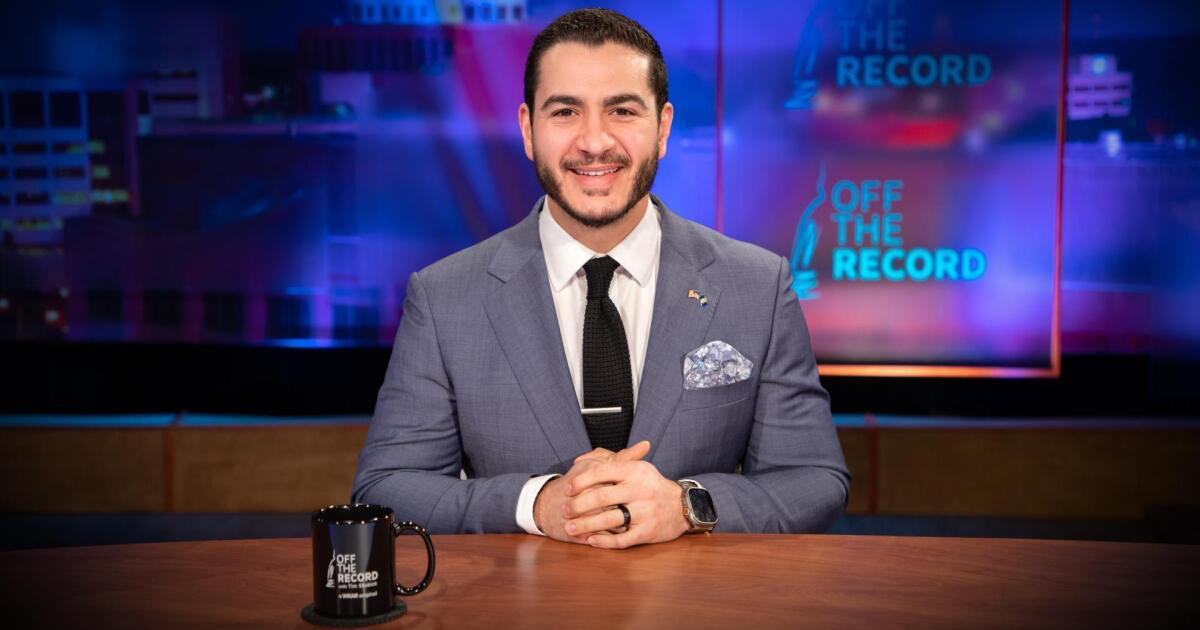
Among the political figures emerging from America's 2026 midterm elections, Michigan Senator-elect Abdul El-Sayed has attracted attention for reasons extending beyond his electoral victory.
As the first Muslim elected to the United States Senate, El-Sayed represents a historic milestone. Yet his election has also renewed debates about religious identity, political rhetoric, and the role of faith in American public life.
During a contentious campaign, El-Sayed faced attacks invoking his Muslim faith, including accusations associating him with extremism. His victory demonstrated that such attacks were insufficient to prevent his election, but controversy surrounding his identity has continued.
One question attracting attention is whether El-Sayed will use a Quran during his Senate swearing-in ceremony. Among the possibilities discussed is a Quran once owned by Thomas Jefferson.
The symbolism would be significant. Yet the constitutional principle is straightforward: the United States imposes no religious test for public office, and senators are not required to take their oath on any particular sacred text.
From Religious Identity to Healthcare Policy
What makes El-Sayed's early political approach particularly interesting is his determination to move beyond campaign controversies.
Rather than focusing exclusively on ideological differences, he has invited President Donald Trump to consider a proposal for universal healthcare coverage, even offering to name the initiative after him.
El-Sayed presented a mock gold-colored "TrumpCare" insurance card, arguing that healthcare should be guaranteed to every American throughout their lifetime.
On November 21, Trump reposted the proposal on Truth Social without additional commentary.
The gesture attracted considerable attention, although a repost should not be mistaken for an endorsement. The White House has previously criticized government-financed universal healthcare, and substantial policy differences remain.
Still, the exchange raises an intriguing possibility: Could political branding open the door to negotiations on an issue that has divided Washington for decades?
A Lesson From Ronald Reagan
El-Sayed's approach recalls an observation President Ronald Reagan shared during a White House meeting in February 1988:
"There is no limit to what a man can do or where he can go if he doesn't mind who gets the credit."
There is no indication that El-Sayed drew inspiration directly from Reagan. Nevertheless, the principle seems relevant.
In Washington, where politicians frequently compete for recognition, allowing a political opponent to claim credit for a successful policy could represent an unusual form of pragmatism.
El-Sayed is not alone. Minnesota Senator-elect Peggy Flanagan has expressed willingness to accept the name "TrumpCare" if it helps advance Medicare for All. Texas Senator-elect James Talarico has also encouraged cooperation with Trump rather than waiting for another election.
These positions suggest that some newly elected Democrats may be willing to prioritize legislative results over partisan recognition.
Beyond Political Branding
Of course, changing a healthcare proposal's name does not resolve its underlying challenges.
Universal coverage raises difficult questions about financing, taxation, private insurance, patient choice, and federal responsibility.
Supporters see an opportunity to expand access and reduce medical costs. Critics question its affordability, sustainability, and potential consequences for the healthcare system.
Those disagreements require serious negotiations, not simply symbolic gestures.
Ultimately, the religious text El-Sayed chooses for his oath will reveal far less about his effectiveness than his legislative decisions and willingness to seek practical solutions.
The same standard should apply to Trump and elected officials from both parties.
The real question is not whether Democrats and Republicans can agree on the name "TrumpCare."
It is whether they can agree on meaningful healthcare reform that serves the American people.
And perhaps that is where the search for common ground should begin.