

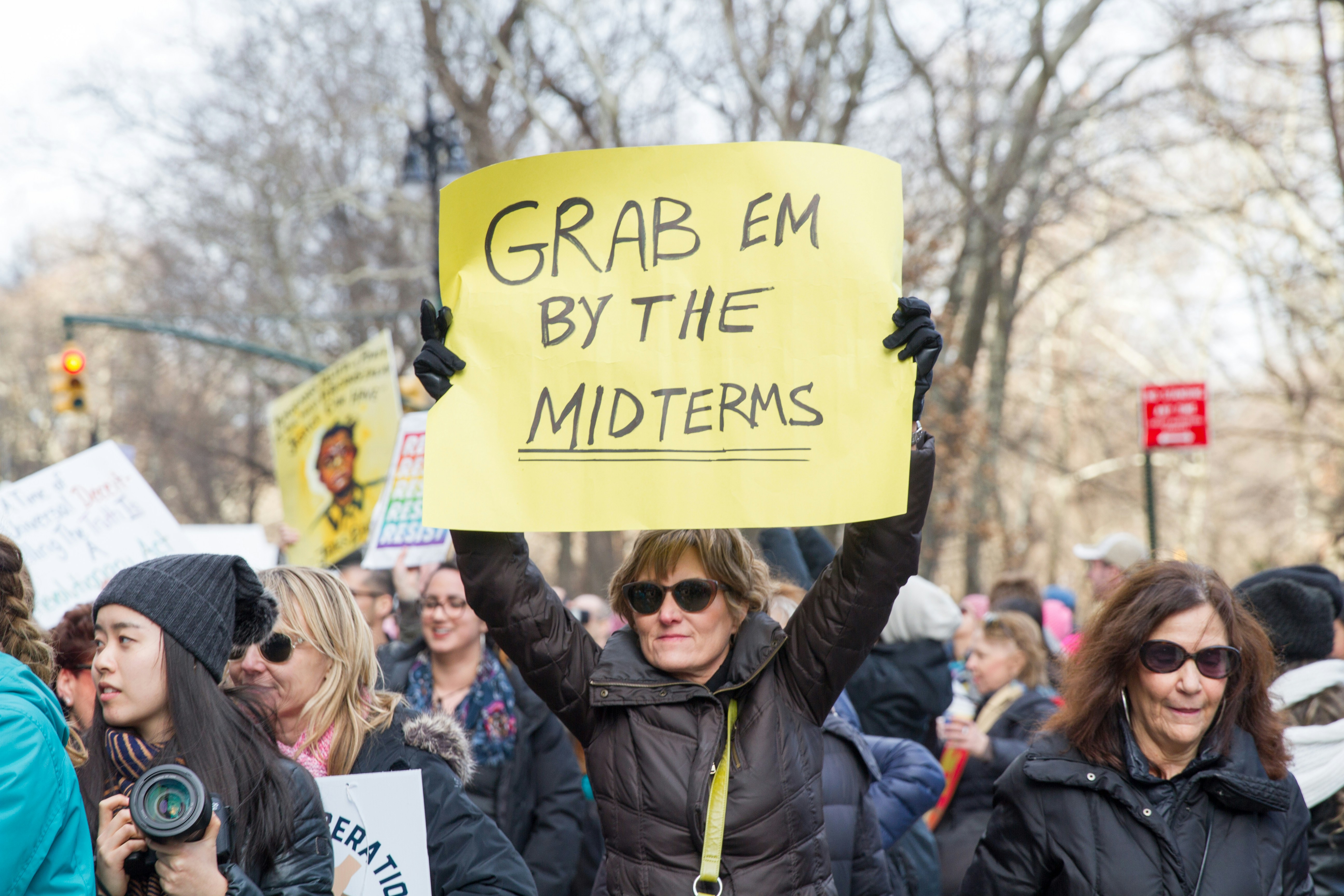
The significance of an election often lies not only in the results themselves but also in how those results are interpreted. As both major political parties in the U.S. begin preparing for the next general election, the conclusions they draw from the 2026 midterms may prove just as consequential as the votes that were cast. The clock is already ticking.
For Democrats, the election delivered a decisive political boost. Their strong performance has given the party new momentum heading into the next two years and strengthened its position heading toward the 2028 presidential campaign. The challenge for Democratic leaders now is turning electoral success into effective governance while maintaining the coalition that delivered those victories.
Republicans face a different task. Following the party's losses, President Trump and members of his administration acknowledged that mistakes had been made. Yet the administration's most immediate response was not a major policy shift but a significant personnel change.
'Stone-cold Racist'
Just days after the election, President Trump appointed Stephen Miller as White House Chief of Staff, replacing Susie Wiles. The move represented one of the most consequential staffing changes of Trump's second term. Multiple reports noted that Miller, one of Trump's longest-serving advisers, has been a chief architect of the administration's hard-line immigration agenda.
The appointment immediately drew criticism from Democrats. Hakeem Jeffries, the House Democratic leader, stated that he had "zero interest" in working with Miller and described him as a "stone-cold racist."
Whether the chief-of-staff change addresses the concerns that contributed to Republican losses remains an open question. Critics argue that voter frustration may have stemmed from broader policy and governance issues rather than White House personnel decisions. Supporters, however, contend that Miller's promotion signals a renewed commitment to the administration's core agenda.
Repositioning Among Leading Republicans
The post-election positioning of JD Vance has also attracted attention. As vice president and a potential contender for the Republican nomination in 2028, Vance is widely viewed as one of the leading figures in the party's next generation. His public comments following the election acknowledged Republican setbacks while avoiding direct confrontation with President Trump, a balancing act that reflects the broader challenge facing many ambitious Republicans as they look toward the future.
The Republican conversation surrounding who will be on the 2028 presidential ticket is already expanding. Vance remains a prominent possibility, but other names continue to surface as well. Among them is Ron DeSantis, whose political standing appears to have improved despite Republican losses nationally.
Democratic strategist James Carville argued that DeSantis emerged as the principal Republican beneficiary of the midterms. Carville noted that DeSantis could point to Florida's comparatively stronger Republican performance while maintaining greater political distance from Trump than some other potential contenders.
At the same time, Republicans are not the only ones evaluating their future candidates. Attention is increasingly turning toward emerging Democratic figures who could become national contenders in the years ahead.
One name receiving growing interest is Scott Colom, the Mississippi prosecutor and Democratic Senate candidate whose unexpectedly strong performance has drawn national attention. Colom's biography also makes him an intriguing figure in contemporary politics. His campaign notes that his father, Wilbur Colom, was a Republican who worked for President Ronald Reagan.
Whether Colom ultimately emerges as a national figure remains to be seen. But his rise underscores a broader reality: both parties are already thinking beyond the midterms and toward the political battles of 2028.
One week after the election, Democrats appear energized by victory, while Republicans are still debating what, exactly, the electorate was trying to tell them. Their answer to that question may determine not only the direction of the next two years, but also the shape of the next presidential race.