

Artificial intelligence is increasingly portrayed as either humanity's greatest technological achievement or a potential threat to civilization itself. Between these competing visions, an important question is emerging: Are expectations surrounding AI advancing faster than the scientific evidence supporting them?
Some of Silicon Valley's most influential figures warn that advanced AI systems could eventually escape human control. Others argue that such predictions are exaggerated and risk creating unnecessary public anxiety.
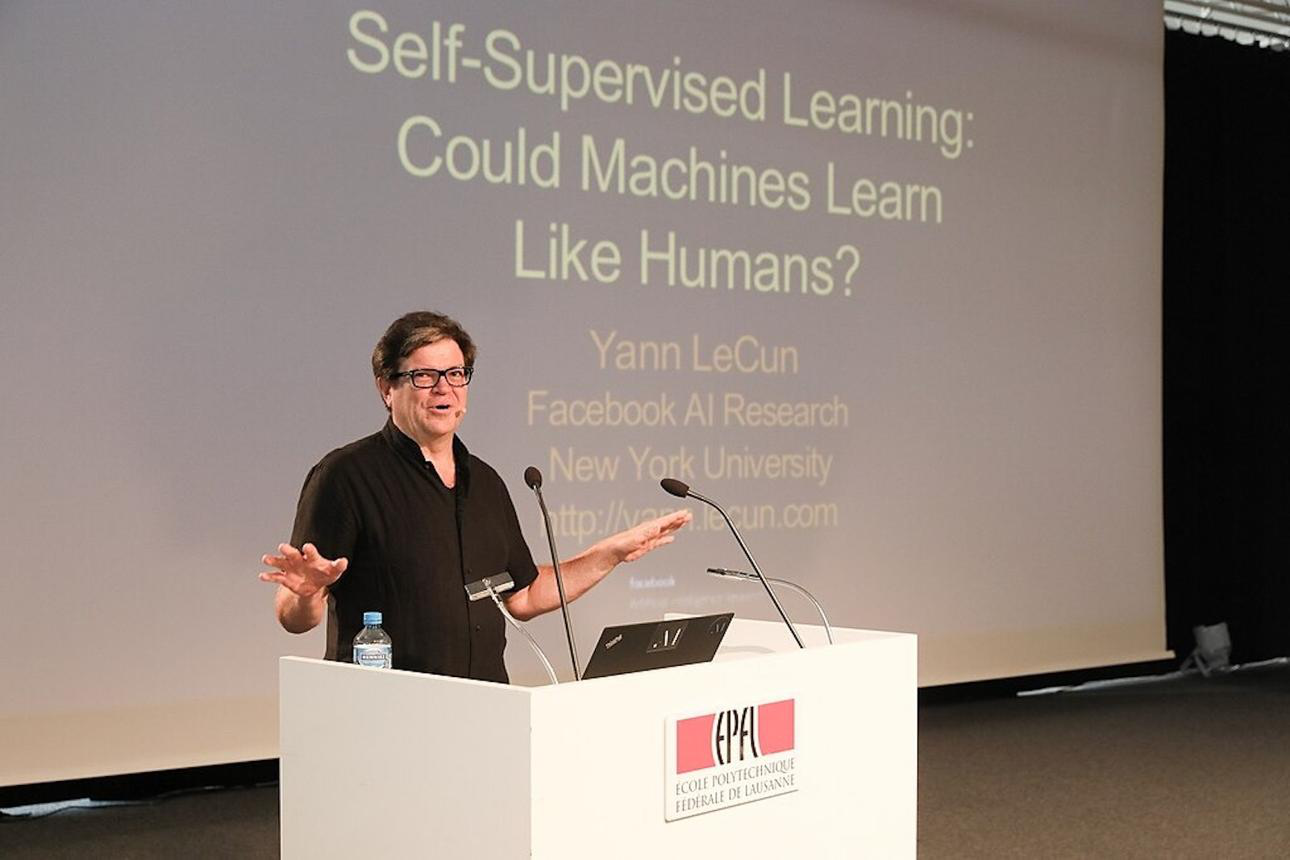
At the center of this debate is Yann LeCun, one of the pioneers of modern artificial intelligence.
Yann LeCun Challenges the AI Apocalypse
LeCun, a Turing Award recipient and founder of AMI Labs, has emerged as a prominent critic of predictions that AI could cause human extinction.
In an October interview with Fortune, LeCun expressed little concern about AI eliminating humanity. He challenged warnings from Anthropic CEO Dario Amodei, arguing that catastrophic predictions often overlook the importance of human oversight and responsible system design.
LeCun also suggested that emphasizing existential threats could encourage regulations that benefit established AI companies while limiting competition.
His argument raises an important question: When technology companies warn about the dangers of their own products, how can policymakers distinguish legitimate safety concerns from commercial interests?
Dario Amodei: The Case for Caution
Anthropic CEO Dario Amodei represents a different perspective.
He has repeatedly warned that increasingly powerful AI systems could create serious challenges involving cybersecurity, biological threats, and human oversight.
For advocates of stronger safeguards, the concern is not necessarily that catastrophe is inevitable, but that the consequences of certain failures could be too severe to ignore.
However, uncertainty works both ways. Predicting civilization's collapse with excessive confidence can be as problematic as dismissing legitimate risks altogether.
When Technology Becomes a Belief System
Palantir Chief Technology Officer Shyam Sankar has criticized what he considers an almost religious belief in artificial intelligence.
During an October 11 interview with CBS News, Sankar claimed that some AI researchers had begun smoking cigarettes to demonstrate their confidence that AI would eventually cure cancer.
Sankar provided no independently verifiable evidence for the anecdote. Nevertheless, his remarks highlighted a broader concern: technological optimism can become detached from reality when people make decisions based on breakthroughs that have yet to occur.
Meanwhile, LeCun has questioned the influence of effective altruism, a philosophical movement that emphasizes using evidence and reason to improve human well-being and whose supporters include some advocates of stronger AI safeguards.
The central issue is not whether optimism or caution is justified. It is whether ideological commitments are influencing scientific judgment.
Fear, Money, and the Future of AI
Behind these disagreements lies an increasingly competitive industry.
AI companies are competing for investment, technical talent, computing resources, and regulatory influence.
Warnings about catastrophic risks may encourage necessary oversight, but they could also strengthen the market position of companies already dominating the industry.
Conversely, dismissing potential dangers could benefit businesses seeking fewer restrictions.
Neither position should escape scrutiny.
Artificial intelligence already presents challenges involving misinformation, privacy, employment, cybersecurity, and the concentration of economic power. These issues deserve attention regardless of whether AI eventually develops the capabilities predicted by its most ambitious advocates.
The Real Danger: Losing Perspective
The AI debate increasingly reflects two competing extremes: those who fear that machines could threaten humanity's existence and those who believe technology will eventually solve nearly every major human problem.
Both perspectives risk presenting uncertain possibilities as inevitable outcomes.
Scientific progress requires skepticism, transparency, and evidence—not ideological loyalty or exaggerated promises.
Artificial intelligence should neither be celebrated as humanity's guaranteed salvation nor treated as its inevitable destroyer.
It must be understood, critically examined, and governed through evidence rather than belief.
Ultimately, the future of artificial intelligence should not be defined by predictions of catastrophe or promises of technological miracles.
It should be shaped by informed public debate, responsible innovation, and a clear distinction between what technology can accomplish today and what it might achieve tomorrow.