N-EXTENT | News Desk
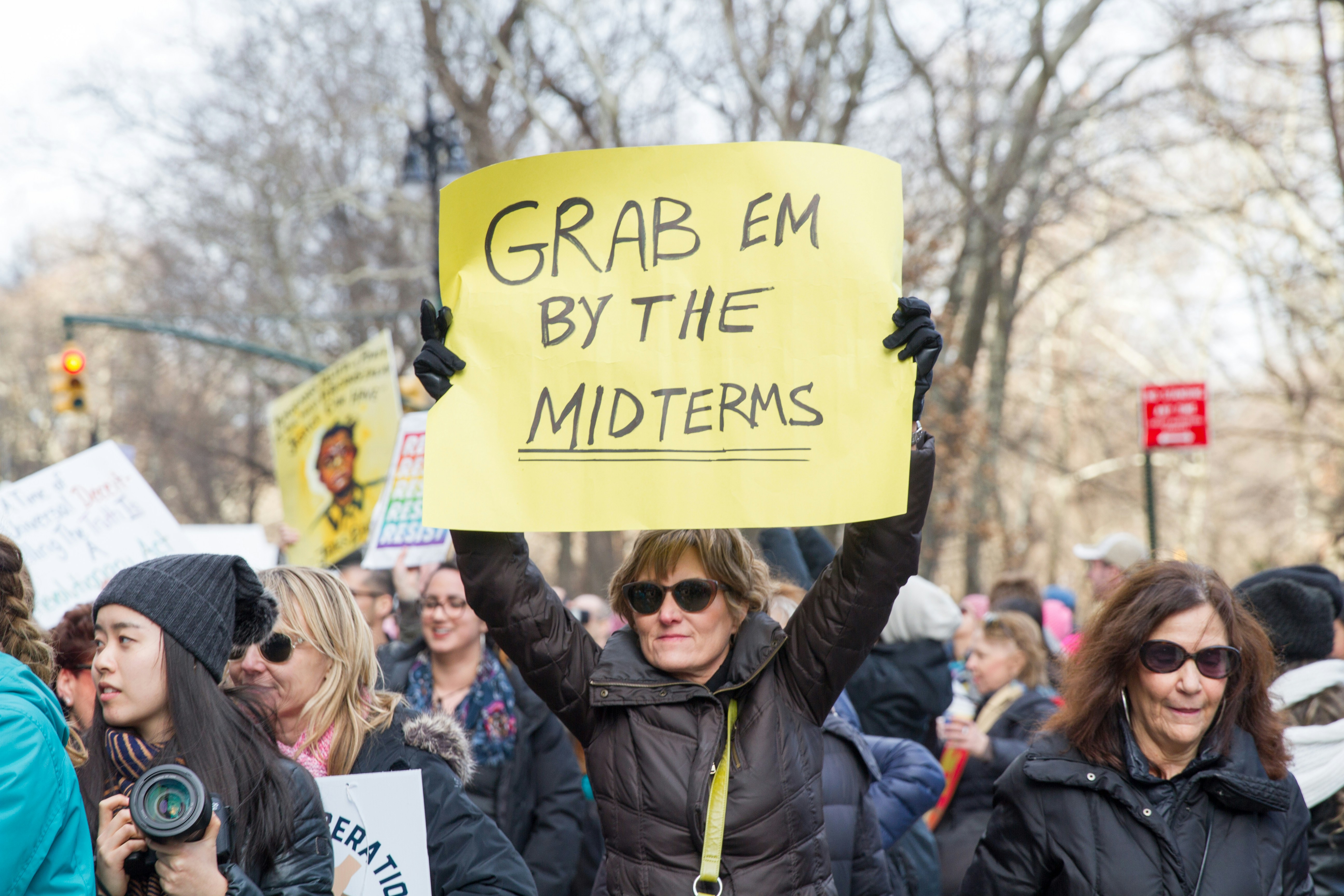
WASHINGTON, D.C. — With just a few days left to go before the November 3 midterm elections, Republicans are confronting a political reality that would have seemed difficult to imagine following Donald Trump's return to the White House.
The party that entered Washington controlling the presidency and both chambers of Congress now faces the possibility of losing its legislative advantage.
And the consequences could extend far beyond a routine change in congressional leadership.
For President Trump, in particular, the election may determine whether the remaining two years of his presidency are defined by legislative ambition or political confrontation.
A Warning Sign for Republicans
Recent polling suggests that the Republican Party is facing considerable resistance from American voters.
A Reuters/Ipsos survey completed on October 26 placed Trump's approval rating at just 32 percent. Among likely voters, Democrats led Republicans by nine percentage points in the generic congressional ballot.
Perhaps even more troubling for Republicans, 73 percent of respondents believed the cost of living was moving in the wrong direction.
These figures reveal an important political contradiction.
Trump returned to office promising economic strength, lower costs, and a renewed sense of American prosperity.
Yet many voters appear increasingly dissatisfied with their financial circumstances.
For Republican candidates, that dissatisfaction presents a serious challenge.
They must persuade Americans to separate their individual congressional campaigns from broader frustrations with the administration.
History suggests that such a separation is rarely easy.
Economy Likely to Decide the Election
Political campaigns often focus on ideology, immigration, national security, and cultural disagreements.
But elections frequently turn on something much simpler.
The financial condition of ordinary households.
For millions of Americans, the most pressing questions concern housing costs, grocery bills, gasoline prices, and the ability to maintain a reasonable standard of living.
The economic consequences of the conflict with Iran have added another layer of uncertainty.
Higher energy costs can influence transportation, food prices, and business expenses, creating political consequences far beyond foreign policy debates.
Democrats have increasingly framed the election as a referendum on affordability and Republican economic management.
Republicans, meanwhile, argue that their policies offer longer-term economic growth, tax relief, and stronger national security.
The challenge for both parties is translating those arguments into something voters can recognize in their everyday lives.
And with Election Day approaching, promises about the future may carry less weight than personal economic experience.
Senate Race More Complicated
The Republican position in the House of Representatives appears particularly vulnerable.
On October 26, Decision Desk HQ estimated a 79 percent probability that Democrats would win control of the House.
That forecast is not an election result, and probabilities can change.
Nevertheless, it reflects the increasingly difficult political environment facing Republican candidates in competitive districts.
The Senate presents a different challenge.
Republicans entered the election cycle with a 53-seat majority, meaning Democrats need a net gain of four seats to take control.
Competitive races in states including Texas, Maine, Ohio, and Alaska have complicated the Republican path to maintaining that majority.
The latest Silver Bulletin polling averages show Democratic advantages in several of those contests, but many remain close enough for ordinary polling errors to change the outcome.
Texas is particularly significant.
Long considered a Republican stronghold in statewide elections, it has emerged as an unexpectedly competitive Senate battleground.
A Democratic victory there would represent more than a change in one Senate seat.
It would challenge assumptions about the political geography of the United States.
Still, Democrats should be cautious about interpreting favorable polling as a guarantee of victory.
Turnout, late-deciding voters, and local candidate dynamics could produce outcomes that differ substantially from national expectations.
What Happens If Trump Loses Congress?
The consequences of a Republican defeat would depend on which chamber changes hands.
If Democrats capture the House, they would gain control of its committees, legislative agenda, and investigative authority.
The administration could face expanded congressional investigations and more aggressive oversight.
Trump's ability to advance major domestic legislation would become considerably more limited.
A divided Congress would also make negotiations over federal spending, taxation, and immigration policy more difficult.
If Democrats capture the Senate as well, the political consequences would be far greater.
Senate control affects confirmation of presidential nominees, including federal judges and senior administration officials.
A Democratic majority could significantly constrain Trump's ability to shape the federal government during the remainder of his term.
However, losing Congress would not eliminate presidential power.
Trump would retain substantial executive authority, influence over foreign policy, and the ability to shape national political debates.
The central question would be how effectively he could govern without dependable congressional majorities.
Could Democrats Misread Their Advantage?
There is another possibility that deserves attention.
Democrats could win congressional control without resolving the deeper political weaknesses that have affected their own party.
Opposition to Trump may motivate voters, but opposition alone does not necessarily produce a durable governing coalition.
Democrats would still need to explain how they intend to address affordability, immigration, economic insecurity, and public distrust of political institutions.
A midterm victory could provide political momentum.
It would not automatically establish a long-term national mandate.
Likewise, Republicans could lose congressional seats without losing the political influence Trump continues to exercise over the party and its voters.
American politics rarely changes direction as completely as election-night headlines suggest.
The Real Question Before November 3
The 2026 midterm elections are about more than whether Republicans or Democrats control Congress.
They are becoming a test of public confidence in the direction of the country.
For Trump, the challenge is convincing voters that his administration deserves more time to deliver on its promises.
For Democrats, the challenge is demonstrating that they offer something more substantial than resistance to the president.
And for American voters, the choice is increasingly connected to an essential question:
Who can make their lives more secure, affordable, and prosperous?
Republicans may still find a path to preserving part or all of their congressional majority.
But the political environment has clearly become more difficult.
On November 3, Americans will decide not only the balance of power in Washington but also the conditions under which President Trump will govern for the next two years.
The election may not determine the future of Trumpism.
But it could determine the future of Trump's presidency.
N-EXTENT — Beyond the Headlines