
The controversy surrounding Nvidia CEO Jensen Huang has intensified after he admitted to having an affair with a former Chinese business executive whom US intelligence officials reportedly suspect of working for Beijing. Huang apologized to his wife, family and colleagues, while Nvidia's board announced an independent investigation into whether he had been targeted in a foreign intelligence operation.
The company said it had no reason to believe that national security or corporate secrets had been compromised. China, meanwhile, dismissed the espionage allegations as unfounded.
The affair has nevertheless placed one of the world's most influential technology executives at the center of a controversy that reaches far beyond his private life, raising questions about the increasingly strategic role of artificial intelligence in the rivalry between Washington and Beijing.
AI Is Too Important to Be Left to Tech Alone
The significance lies in the identity of the man at the center of the story.
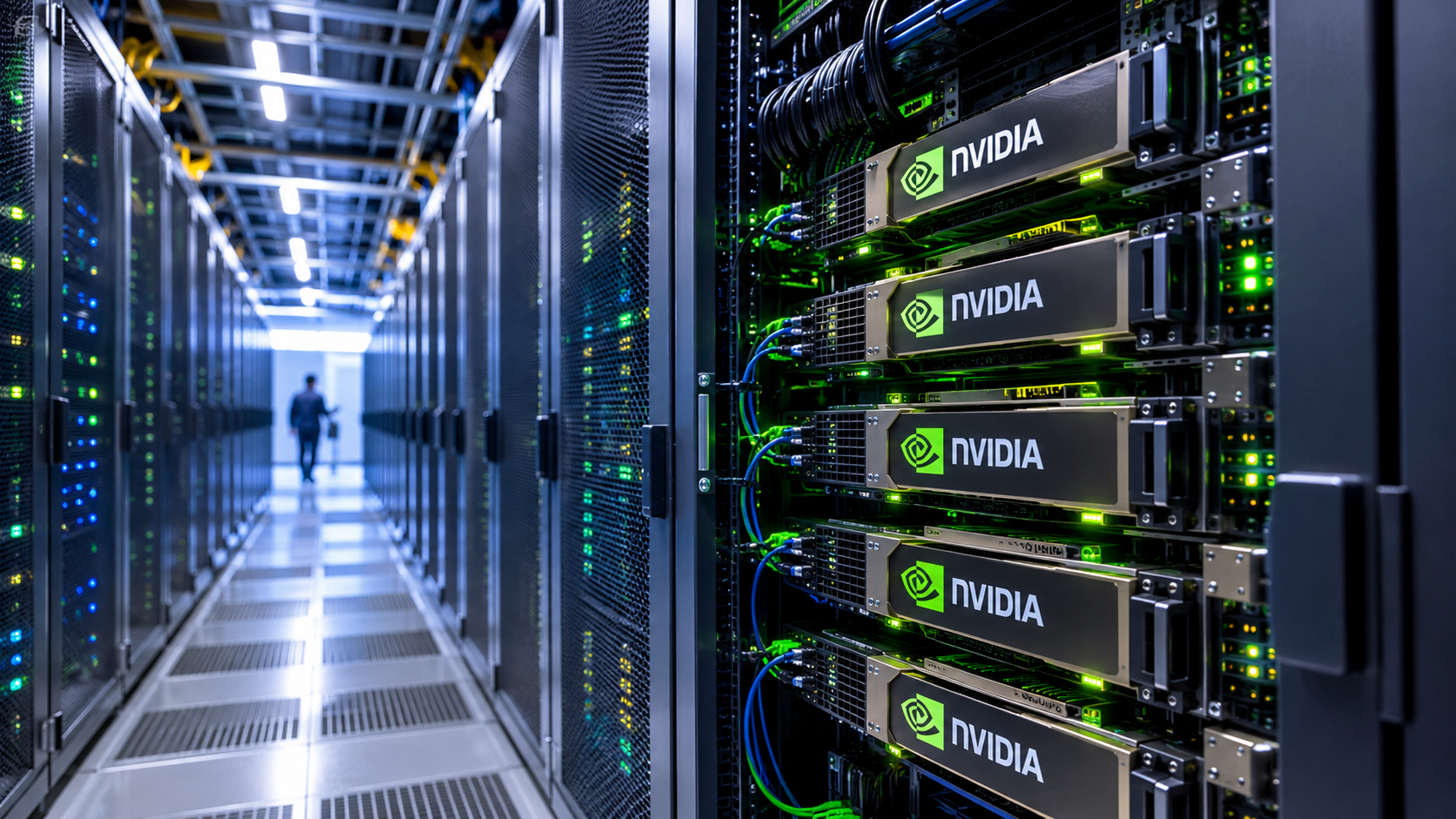
Jensen Huang is not simply the head of another successful technology company. He leads the manufacturer whose processors have become indispensable to the global AI industry. Nvidia's chips power the data centers and computing infrastructure on which the development of increasingly sophisticated AI systems depends. In an industry where computing capacity translates directly into technological advantage, control over these components has become a matter of strategic importance.
This is precisely why Washington and Beijing are so concerned about who has access to Nvidia's technology, where its processors end up and what information might reach competitors.
US export restrictions on advanced chips are not merely commercial measures designed to protect an American company's market position. They are instruments of national security, intended to slow China's progress in a technology that could reshape economic productivity, military capabilities and global influence.
The reported relationship therefore raises questions that would have seemed extraordinary in almost any other industry.
Could a personal connection become an intelligence channel?
Could commercial relationships create vulnerabilities in the technological infrastructure of a major power?
And how much responsibility does a corporate leader carry when the company he runs has become an essential part of his country's strategic position?
There is a broader lesson here.
Artificial intelligence is no longer simply another promising sector competing for investment. It is becoming a foundation of economic and geopolitical power.
The countries that develop the most advanced systems, secure the necessary computing capacity and establish control over critical parts of the supply chain will enjoy advantages that extend well beyond the technology sector itself.
The New Strategic Currency
Seen in this context, the recurring debate about whether AI is a speculative bubble, comparable to the 'dotcom' boom of the late 1990s, misses something fundamental.
Certainly, valuations can become excessive, companies can overpromise and investors can lose money. Not every AI venture will survive, and not every application will justify the expectations surrounding it. But confusing a potential financial bubble with the underlying technological transformation is a mistake.
Besides, even the 'dotcom' bubble is often misrepresented. The internet did survive that crash in late 1990s and went on to reorganize much of the global economy that defines our lives today. And there are now more signs than ever that Artificial Intelligence may follow even a more disruptive trajectory.
Governments are investing, corporations are restructuring and geopolitical rivals are competing for technological supremacy. These are not the actions of actors who regard AI as a passing investment fashion.
Ultimately, the Huang affair is a reminder of how much is now at stake. When a technology becomes central to national power, its leading executives cease to be merely business figures. They become part of a much larger strategic equation, whether they welcome that responsibility or not.
The AI race is no longer just about who builds the best technology. It is about who gets to shape the future—and who is prepared to do whatever it takes to secure a place at the top.