
The Trojan Horses Within the Democratic Party
As Republicans struggle with the midterms, Democrats may be handing Donald Trump an unexpected political advantage: their own internal divisions.
By Jerry Scott | N-EXTENT | Commentary
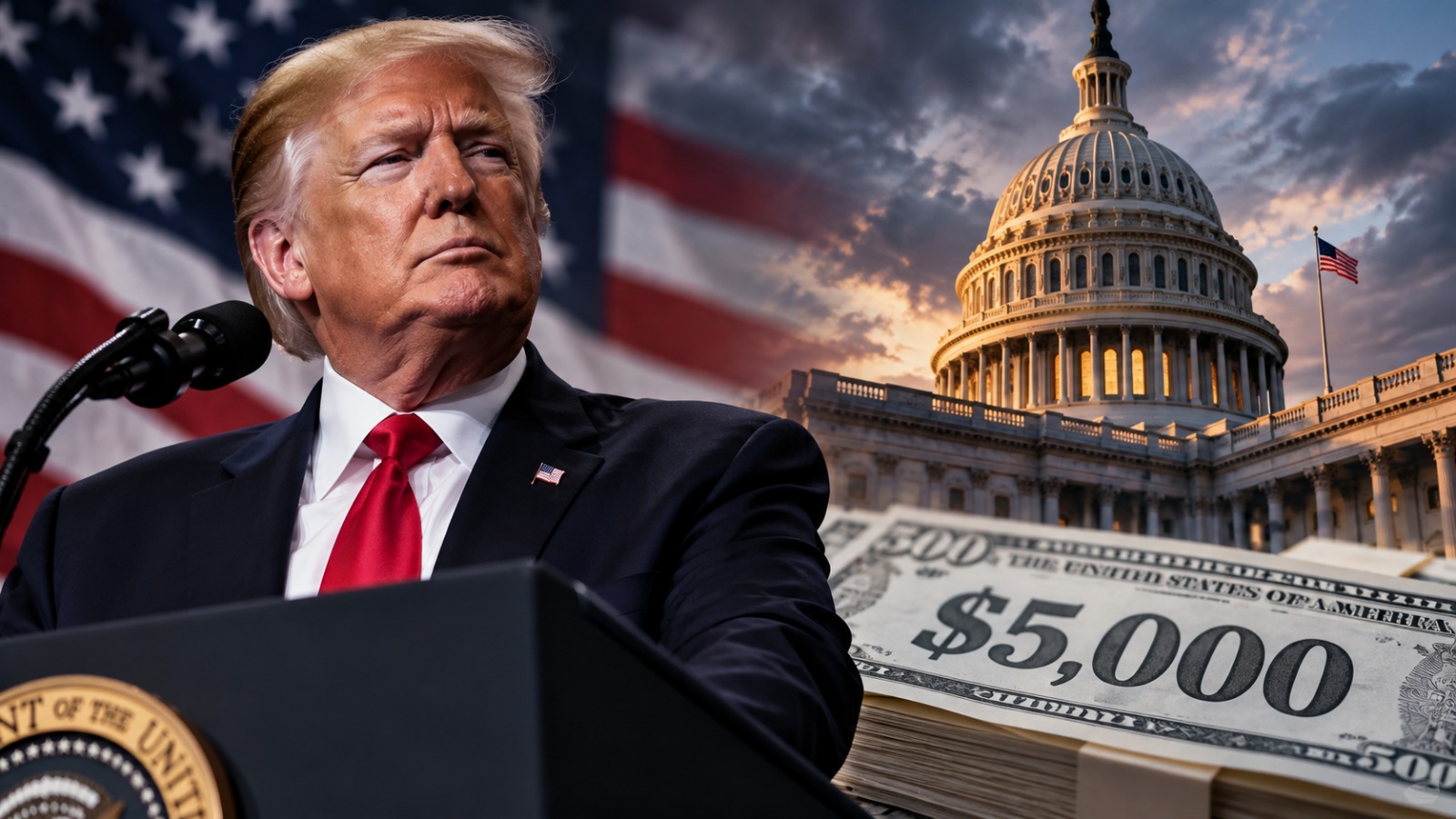
Donald Trump's Republican Party appears to have been caught off guard by the approaching midterm elections. The prolonged crisis with Iran may have disrupted the GOP's electoral calculations, but it is hardly the only explanation for the party's apparent lack of preparation. Within the Republican establishment, the more hawkish faction continues to place its faith in Trump's ability to deliver yet another political surprise.
Those who understand the distinction between Trump and the Republican Party, however, have considerably less reason for optimism.
Steve Bannon, one of the most influential figures from Trump's first administration, has openly expressed concern about the midterms. His warning is unmistakable: "We can't afford to lose."
And why should he feel otherwise?
A Democratic victory in Congress could expose Trump to renewed investigations, congressional confrontation and potentially another impeachment battle. If even Bannon is worried, perhaps Republican voters should be asking themselves a few uncomfortable questions.
Yet Democrats have their own chronic political afflictions, which seem to resurface whenever an important election approaches.
Among them is a familiar collection of political personalities who promise ideological excitement but offer little evidence of electoral discipline. Once again, the party risks allowing its broader strategy to become hostage to the daily provocations of a handful of populist figures.
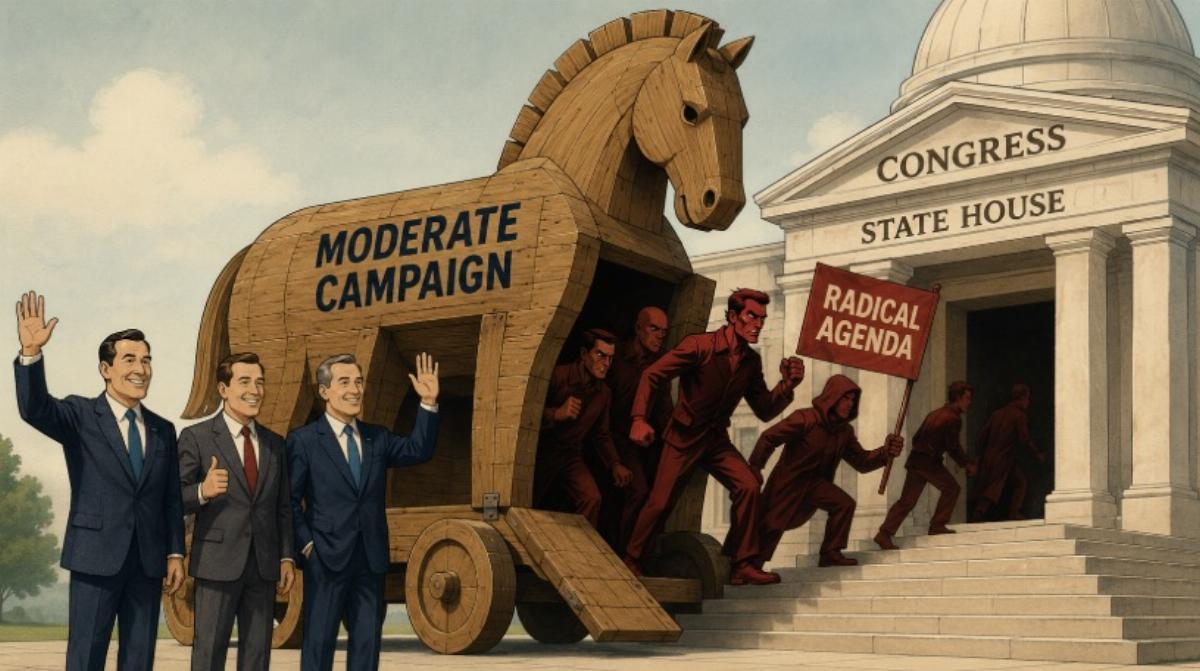
These are the Democratic Party's Trojan horses: politicians whose rhetoric and political instincts, whether intentionally or not, repeatedly provide Republicans with ammunition, energize conservative voters and undermine their own party's electoral prospects.
Michigan: A Gift to Republican Strategists
The tensions unfolding in Michigan illustrate the problem.
Rather than focusing exclusively on promoting their own candidate, Republican strategists have found an opportunity to turn Democratic nominee Abdul El-Sayed's progressive positions into a political liability.
El-Sayed, meanwhile, appears determined to give them material to work with.
His political approach reflects a broader progressive movement associated with figures such as Zohran Mamdani, Ilhan Omar and Rashida Tlaib, whose ideological commitments and confrontational rhetoric frequently become targets for Republican campaigns.
The issue is not whether these politicians have the right to challenge the political establishment. They certainly do. The question is whether they understand the difference between effective political opposition and ideological marginalization.
Republicans appear eager to exploit that distinction before Democrats can turn their electoral momentum into victory.
There is also a deeper ideological contradiction.
For much of the past century, socialist and Marxist movements found sympathetic audiences among certain Middle Eastern intellectual circles, particularly where poverty, inequality and political frustration made promises of radical transformation attractive.
Yet the region's experience offers little evidence that ideological romanticism alone can produce effective governance or lasting prosperity.
The American political landscape is fundamentally different. An ideology that appeals to a narrow activist constituency does not necessarily translate into a winning national electoral strategy.
The fascination of some younger progressive politicians with ideological traditions associated with the Middle East often appears less like a practical governing philosophy and more like political nostalgia.
And nostalgia, however emotionally appealing, is not an election strategy.
Trump understands this vulnerability.
His political attacks on El-Sayed and other progressive figures seek to associate their positions with religious extremism, radicalism and the controversies of Middle Eastern politics.
Whether those associations are fair is another question entirely. Their electoral purpose, however, is clear: to unsettle moderate voters, consolidate the Republican base and force Democrats to defend themselves on terrain chosen by their opponents.
Is this not precisely the kind of political battlefield that Trump and Bannon would prefer?
The Democrats Have Seen This Movie Before
The Democratic Party should hardly be surprised by the consequences of internal political rebellion.
During Joe Biden's presidency, some of the most consequential obstacles to his legislative agenda came from within his own political coalition.
Senator Joe Manchin of West Virginia and Senator Kyrsten Sinema of Arizona became central figures in negotiations that delayed, weakened or blocked major Democratic priorities.
Their resistance did more than frustrate the White House. It exposed the fragility of Democratic unity at moments when the administration could least afford division.
Then there is Tulsi Gabbard.
The former Democratic congresswoman from Hawaii followed an entirely different political trajectory, eventually leaving the party and joining Trump's second administration as director of national intelligence.
Her tenure ended in June 2026, following her resignation amid her husband's serious illness.
Gabbard's political transformation remains a striking example of how figures once associated with the Democratic Party can ultimately become valuable assets to its Republican opponents.
And now, as November approaches, Republican strategists may have discovered another political gold mine.
John Fetterman: Trump's Unexpected Opportunity
Pennsylvania Senator John Fetterman has become one of the most conspicuous sources of discomfort within the Democratic Party.
His increasingly public disagreements with fellow Democrats have fueled speculation about his political future.
Fetterman's appearance in a video presented at a Republican convention, praising Trump and Republican Senator Dave McCormick over Pennsylvania's steel industry, only intensified those questions.
President Trump has now openly encouraged Fetterman to cross the aisle, saying he would welcome him into the Republican Party.
Fetterman, for his part, has denied that he intends to switch parties.
But the political damage does not necessarily require an actual defection.
For Republicans, the spectacle of a Democratic senator publicly criticizing his own party while receiving praise from the president is already a valuable campaign asset.
Fetterman's political difficulties extend beyond ideological disagreements.
Reports from former staff members have portrayed a troubled working environment, raising questions about his management style, relationships with advisers and approach to the responsibilities of his office.
Those accounts remain contested, but they have contributed to a growing debate about his political effectiveness.
Fetterman won his Senate seat in 2022 with a distinctive populist appeal and a reputation for speaking directly to working-class voters. Yet his increasingly unpredictable relationship with his own party has complicated the political identity that helped bring him to Washington.
For Republican strategists, the situation could hardly be more convenient.
They do not need Fetterman to become a Republican to benefit from his estrangement from the Democrats.
They simply need him to keep talking.
The Republicans' Greatest Advantage May Be the Democrats Themselves
Steve Bannon's concerns about the approaching midterms are understandable.
The Iran crisis, political uncertainty and the potential consequences of losing control of Congress have given Republicans plenty of reasons to worry.
Yet the Democratic Party's recurring inability to manage its internal contradictions may offer Bannon some consolation.
A political party does not always lose because its opponent is stronger. Sometimes it loses because it cannot distinguish ideological performance from electoral strategy, or personal ambition from collective responsibility.
The Republicans may enter November with serious vulnerabilities.
But if Democrats continue turning their internal disagreements into public political theater, Trump may not need another electoral miracle.
The Democratic Party's most dangerous opponents may already be inside its own walls.