N-EXTENT | News Desk
WASHINGTON, D.C. — With less than two weeks remaining before the November 3 midterm elections, the United States is approaching a political turning point that could fundamentally reshape the balance of power in Washington.
For President Donald Trump and the Republican Party, the stakes are unusually high. Republicans currently control both chambers of Congress, but their narrow majorities are increasingly vulnerable to a Democratic challenge.
For Democrats, the elections offer an opportunity to regain congressional power, challenge the administration's policies, and redefine the political landscape ahead of the 2028 presidential election.
Yet the central question is not simply which party will win more seats. It is whether American voters are preparing to deliver a broader judgment on the direction of the country.
A Difficult Political Climate for Republicans
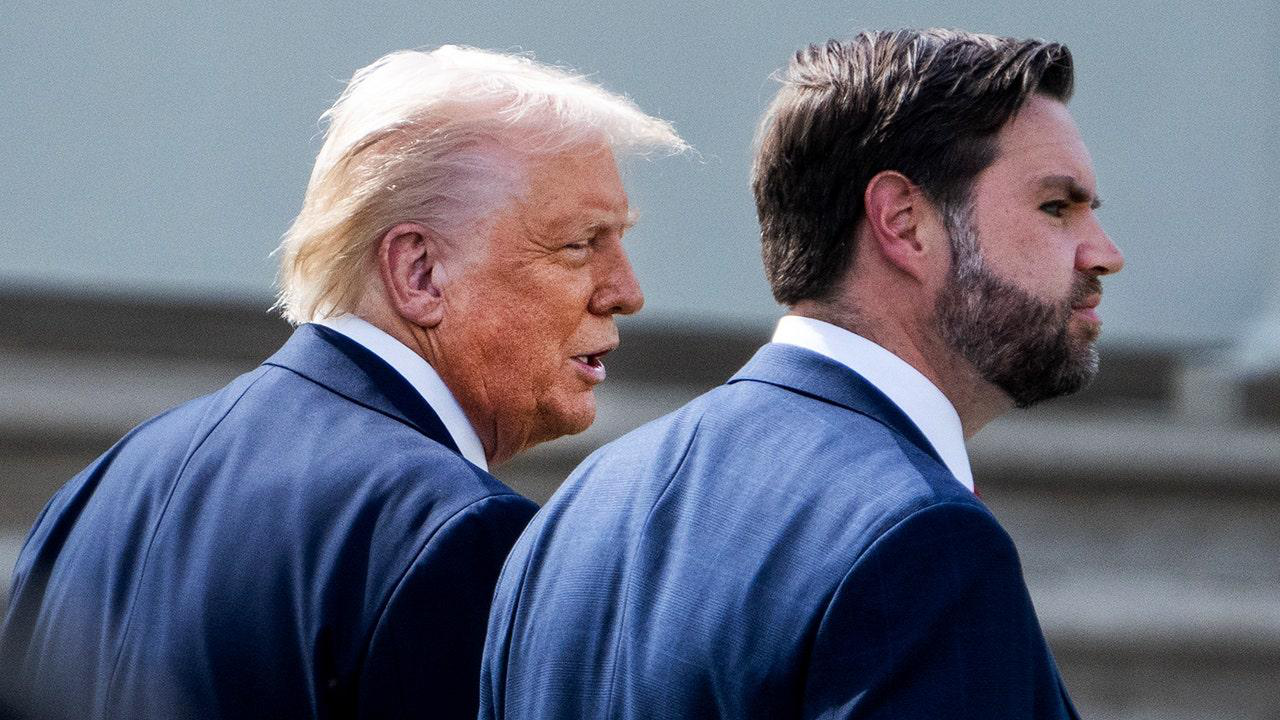
President Trump's declining approval ratings have become a central challenge for Republican candidates.
An October Reuters/Ipsos survey placed his approval rating at approximately 31%, while other recent national surveys have also shown substantial dissatisfaction with his leadership.
Economic concerns remain particularly damaging. Rising living costs, expensive gasoline, housing affordability, and uncertainty surrounding the conflict with Iran have placed additional pressure on the administration.
Republican strategists face a complicated political calculation: they must energize Trump's loyal supporters while also appealing to independent voters who may be dissatisfied with the country's economic direction.
Trump, meanwhile, has become increasingly involved in the campaign. His political operation is directing substantial financial resources toward competitive Senate races, including contests in Texas, Michigan, and Ohio.
According to Reuters, Trump's MAGA Inc. political action committee has spent hundreds of millions of dollars in an effort to strengthen Republican candidates before Election Day.
The scale of that spending reflects how seriously Republicans view the possibility of losing congressional control.
Democrats See an Opportunity But Victory Is Not Guaranteed
Democrats enter the final stretch with encouraging national polling numbers.
However, favorable national surveys do not automatically translate into victories in individual congressional districts or statewide Senate contests.
The party must convert dissatisfaction with the administration into actual voter turnout, particularly among younger voters, independents, suburban communities, and voters concerned about household expenses.
Democrats also face internal challenges.
Progressive and moderate factions continue to disagree over immigration, foreign policy, and the party's broader ideological direction. Those divisions could complicate efforts to present a unified message to undecided voters.
The Democratic Party's greatest opportunity may therefore depend less on attacking Trump personally and more on convincing Americans that it can offer practical solutions to their everyday concerns.
The Senate: Where Every Seat Matters
Republicans currently hold a 53–47 majority in the Senate, including the two independents who caucus with Democrats.
Democrats need a net gain of four seats to take control.
Competitive races in Texas, Michigan, Ohio, Maine, and other states have attracted national attention and significant campaign spending.
Texas is particularly noteworthy.
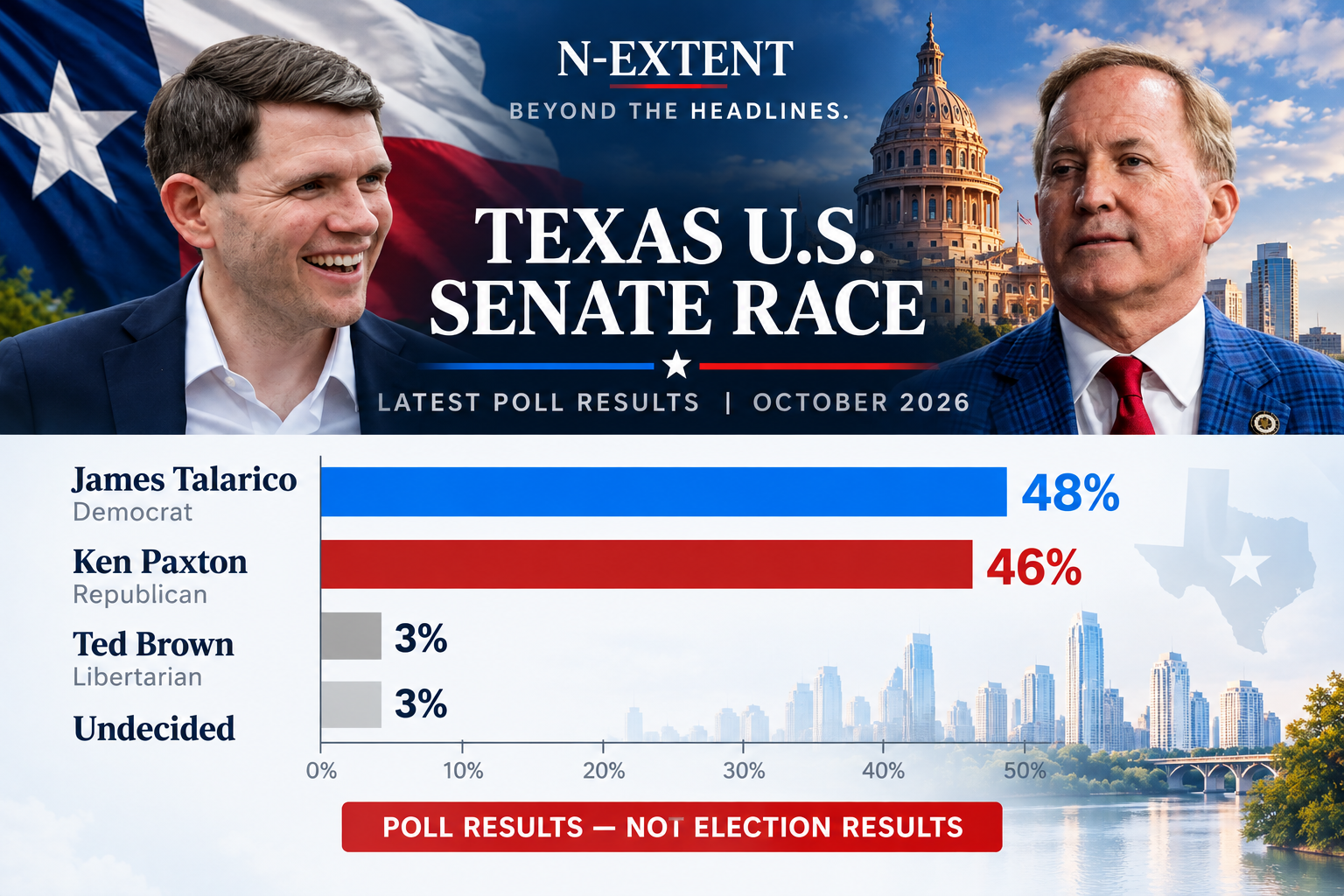
Once considered a reliably Republican state in statewide elections, it has become the focus of an increasingly competitive Senate contest between Republican Ken Paxton and Democrat James Talarico.
The race has even produced an unusual political development: Neil Bush, brother of former President George W. Bush, has publicly supported Talarico, citing concerns about Paxton.
While one endorsement cannot determine an election, it illustrates how candidate-specific controversies can complicate traditional party loyalties.
The Senate outcome remains uncertain, and several close contests could ultimately determine which party controls the chamber.
The House Could Change Washington
The House of Representatives presents another major challenge for Republicans.
With the majority separated by only a handful of seats, relatively small electoral shifts could transfer control to Democrats.
A Democratic House majority would dramatically change the political environment surrounding the Trump administration.
Democratic lawmakers would gain control of congressional committees, the ability to conduct investigations, and greater influence over federal spending negotiations.
However, even a Democratic victory in the House would not automatically end Trump's policy agenda.
The president would retain substantial executive authority, and a Republican-controlled Senate could continue blocking Democratic legislative priorities.
A divided government could therefore produce more congressional investigations, political confrontations, and legislative gridlock.
The Economy May Decide the Election
Although immigration, foreign policy, and cultural issues remain prominent, the economy may ultimately carry the greatest electoral weight.
For millions of Americans, political debates in Washington are secondary to the daily reality of paying for groceries, gasoline, housing, and healthcare.
Republicans argue that their policies promote economic growth, stronger border security, and national stability.
Democrats counter that the administration has failed to address affordability and that its policies have increased economic uncertainty.
Recent polling suggests that voters' frustration over everyday expenses has become one of the most significant factors shaping the election.
The party that most successfully connects its message to those concerns may gain a decisive advantage.
A Defining Moment for Trump's Presidency
The November elections will not determine who occupies the White House.
But they could determine how effectively President Trump governs during the final two years of his presidency.
A Republican victory in both chambers would preserve the party's legislative advantages and strengthen Trump's political position.
A Democratic takeover of the House would introduce greater congressional scrutiny and institutional resistance.
If Democrats capture both chambers, Washington could enter a period of even sharper confrontation between the executive and legislative branches.
For American voters, the choice extends beyond individual candidates or party labels.
It concerns the direction of economic policy, the limits of presidential power, and the balance between competing political visions.
The 2026 midterms may not change the president, but they could change the presidency's remaining two years.
And with Election Day approaching, the battle for control of Congress is far from over.
N-EXTENT — Beyond the Headlines