
N-EXTENT | News Desk
ATHENS — Healthy eating is often presented as a matter of restriction: count your calories, cut out your favorite foods and resist temptation. But what if improving your diet were less about giving things up and more about making better choices?
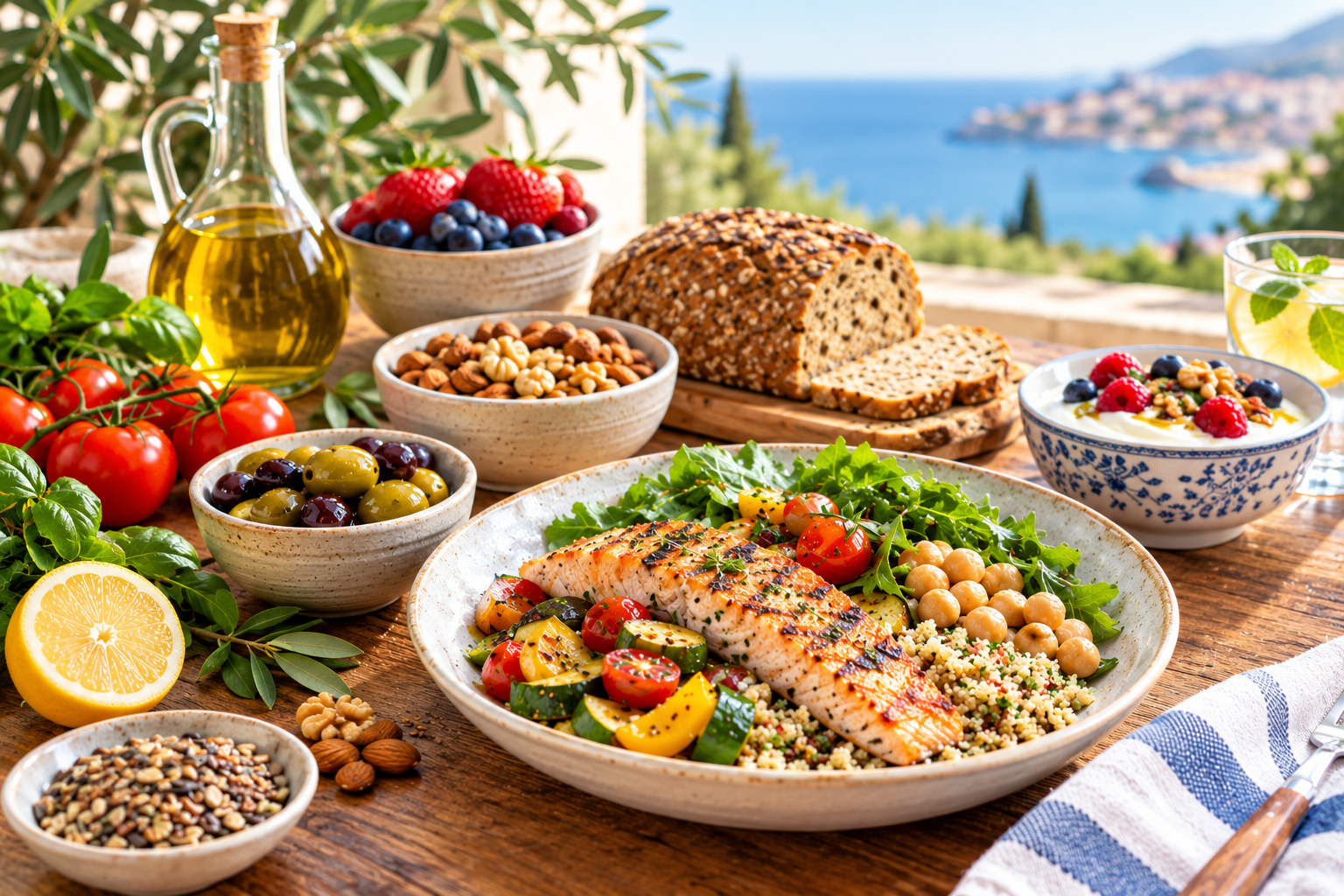
The Mediterranean diet offers precisely this alternative. Rather than imposing strict rules, it encourages people to build their meals around vegetables, fruits, whole grains, legumes, nuts, fish and healthy fats. The goal is not to eat less at all costs, but to eat better on a consistent basis.
What Makes It Healthy?
The Mediterranean diet is not a single, rigid meal plan. It is an eating pattern inspired by traditional food habits in Mediterranean countries. Its benefits come from the combination of foods it prioritizes and the relative lack of highly processed products.
Olive oil, for example, is rich in monounsaturated fats that can help improve cholesterol levels when they replace less healthy fats. Fish provides protein and, in oily varieties such as sardines and salmon, omega-3 fatty acids. Vegetables, fruits, beans and whole grains supply fibre, which supports digestion and helps regulate blood sugar and cholesterol.
Research has linked Mediterranean-style eating to a lower risk of cardiovascular disease and type 2 diabetes. It may also support healthy ageing, although evidence for some other claimed benefits is less conclusive.
What Should You Eat?
The principles are straightforward:
Eat plenty of vegetables and fruit. Choose a variety of colors and include them in your daily meals.
Make whole grains a regular choice. Oats, brown rice and whole-wheat bread are good options.
Include beans and legumes. Lentils, chickpeas and beans provide fibre and plant-based protein.
Choose healthy fats. Use extra-virgin olive oil in place of butter or other fats high in saturated fat where appropriate. Eat moderate portions of nuts and seeds.
Eat fish regularly. Salmon, sardines and other fish are useful choices. Poultry and eggs can also form part of a balanced diet.
Enjoy dairy in moderation. Yogurt and cheese can fit into the pattern.
Limit red and processed meat, sugary drinks, sweets and highly processed foods. You do not need to ban every treat; the aim is to make these foods less central to your diet.
A simple day's menu might include Greek yogurt with berries and walnuts for breakfast, a chickpea salad with whole-grain bread for lunch, and grilled fish with vegetables and brown rice for dinner. Fresh fruit makes an easy dessert or snack.
Better Habits, Not Stricter Rules
Knowing what to eat is only part of the challenge. Cost, time and established habits all influence our choices. The practical answer is to start small: add vegetables to one more meal, replace refined grains with whole grains, or cook beans instead of relying on processed meat.
The Mediterranean diet is not a miracle cure, nor does it guarantee good health. Its strength lies in its simplicity. Lasting improvements are more likely when healthy choices become part of everyday life rather than a temporary exercise.
N-EXTENT — Beyond the Headlines