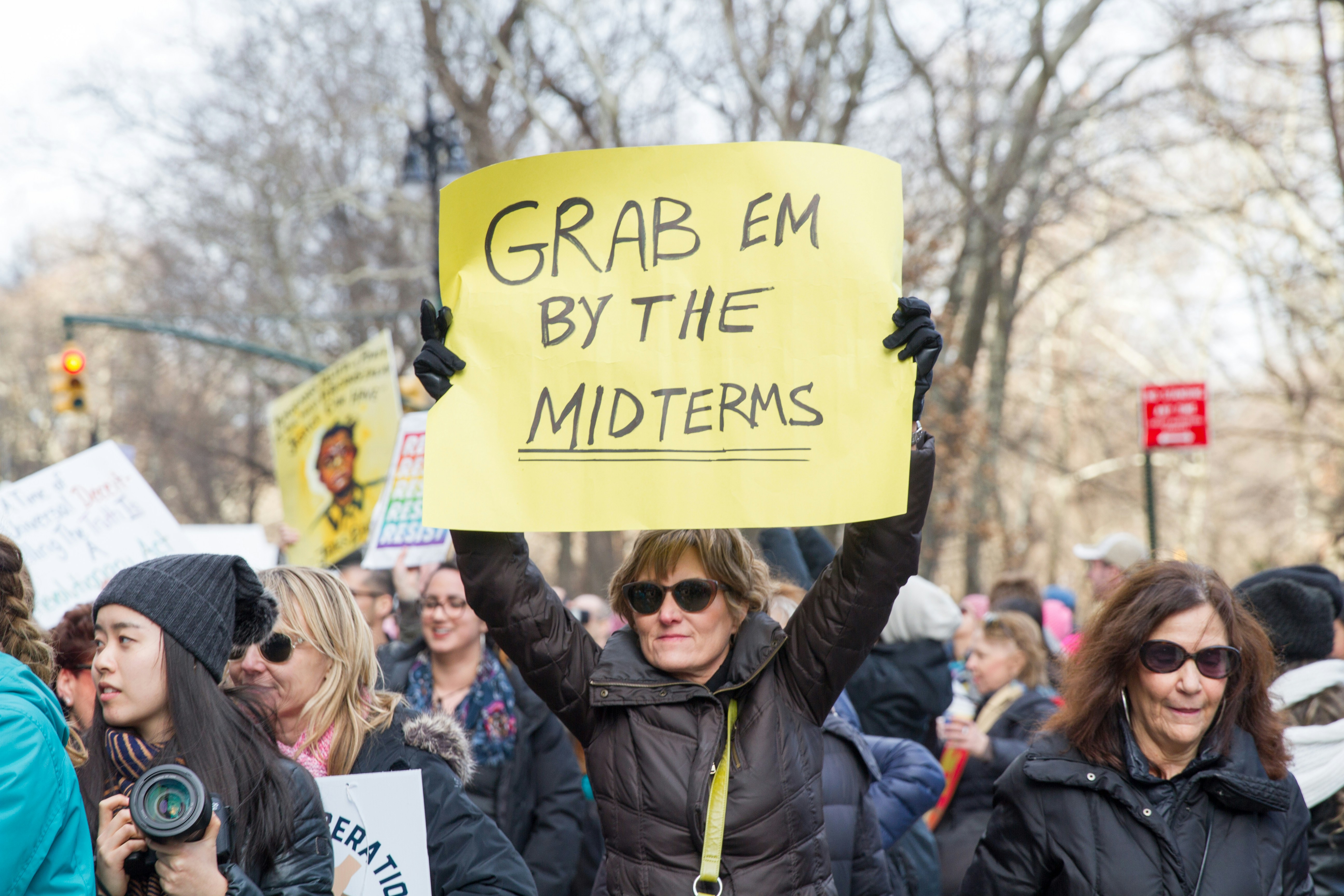

The idea that both Republicans and Democrats are already looking beyond the midterm elections toward identifying their presidential nominee is understandable, yet neither political group can afford to spend the next two years thinking exclusively about 2028.
In the meantime, both parties will have to work with President Donald Trump. That political reality demands something Washington has struggled to achieve in recent years: a functioning Congress capable of addressing the everyday concerns of American voters.
The harsh rhetoric and bitter divisions of the campaign season should be left behind, much like a traveler leaving unnecessary baggage at the state line before entering new territory.
For Democrats, their electoral victories bring not only political opportunities but also the responsibility to govern. For Republicans, the challenge is to determine how they can cooperate with their political opponents without abandoning their own principles.
And perhaps one of the most interesting examples of what such cooperation might look like has already emerged.
What If Democrats Called It Trumpcare?
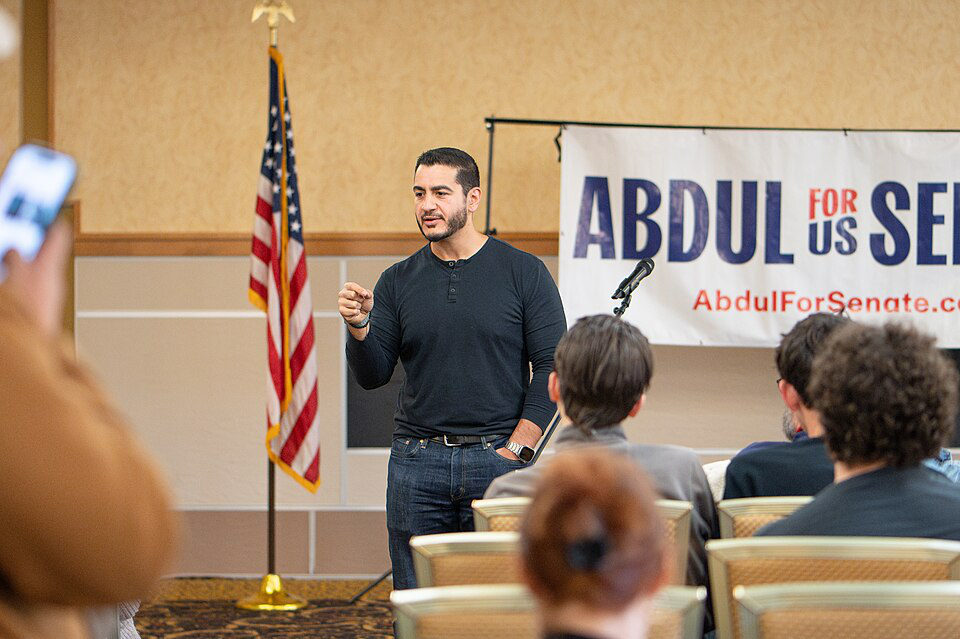
One of the notable figures to emerge from the 2026 midterm elections was Abdul El-Sayed, the newly elected Democratic senator from Michigan.
A physician and former public health official, El-Sayed campaigned on expanding healthcare access, including his support for Medicare for All. His victory brought another prominent progressive voice into the Senate.
But it was his appearance on CNN with Kaitlan Collins that produced one of the more intriguing political moments following the election.
El-Sayed proposed something few people might have expected from a progressive Democrat: he would be willing to put President Trump's name on a universal healthcare bill if doing so helped secure the president's support.
Addressing Trump directly through the camera, El-Sayed said:
“Donald, if you're watching, we can put your name on it.”
He suggested that Trump could help fulfill America's long-standing ambition of guaranteeing healthcare coverage to everyone.
Collins appeared surprised and questioned whether he was joking.
El-Sayed insisted that he was entirely serious.
For him, the name attached to the legislation was less important than its substance. His objective was to ensure that Americans could receive healthcare without facing overwhelming medical bills, premiums, deductibles, or copayments.
And if achieving that goal meant calling the legislation Trumpcare for All, he was willing to entertain the idea.
A Political Offer Worth Considering
At first glance, El-Sayed's proposal might sound like political humor. After all, Trump and progressive Democrats have spent years criticizing each other's policies and political priorities.
But beneath the humor lies a more serious question: Could political recognition become a bargaining tool for achieving meaningful bipartisan legislation?
Trump has frequently emphasized the importance of his political legacy. El-Sayed's proposal attempts to turn that desire for recognition into an opportunity for negotiation.
Of course, the obstacles would be substantial.
Medicare for All would require major changes to the American healthcare system, including difficult decisions about financing, private insurance, federal spending, and the government's role in healthcare.
Convincing Democrats to accept Trump's name on such legislation might not be the biggest challenge. Securing agreement on the policy itself, particularly among Republicans and more moderate Democrats, would be considerably more difficult.
There is also no indication that President Trump has accepted El-Sayed's invitation.
Nevertheless, the proposal raises a question that deserves attention: Should political leaders reject potentially useful ideas simply because they come from the opposing party?
The Real Message of the Midterms
The public reaction to El-Sayed's CNN appearance reflected a broader appetite among some voters for politicians willing to move beyond conventional partisan arguments.
But the significance of his proposal goes beyond one television interview or one ambitious healthcare initiative.
The 2026 midterms have changed the balance of power in Washington. They have also created an opportunity for both parties to reconsider how they approach the next two years.
Republicans may be preoccupied with their future leadership and the 2028 presidential election. Democrats may be encouraged by their electoral success and the prospect of advancing their legislative priorities.
Yet neither party should forget that elections are ultimately about more than political victories.
They are about delivering results.
Healthcare, affordability, economic security, and the everyday challenges facing American families will not disappear simply because one party has won an election and another has lost.
Perhaps El-Sayed's unusual offer provides a small lesson in political pragmatism: Sometimes the willingness to compromise on symbolism can open the door to a more substantive conversation.
Whether Trump would ever consider such an arrangement remains an open question.
But rather than spending the next two years exclusively debating who might occupy the White House in 2029, both parties would be better served by demonstrating what they can accomplish before then.
After all, perhaps the message American voters wanted Washington to hear was surprisingly simple:
Get together. Work together. And make it real.