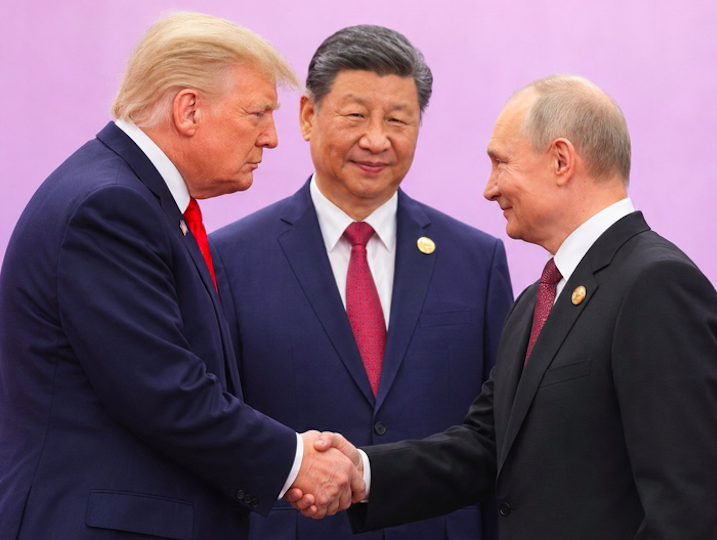

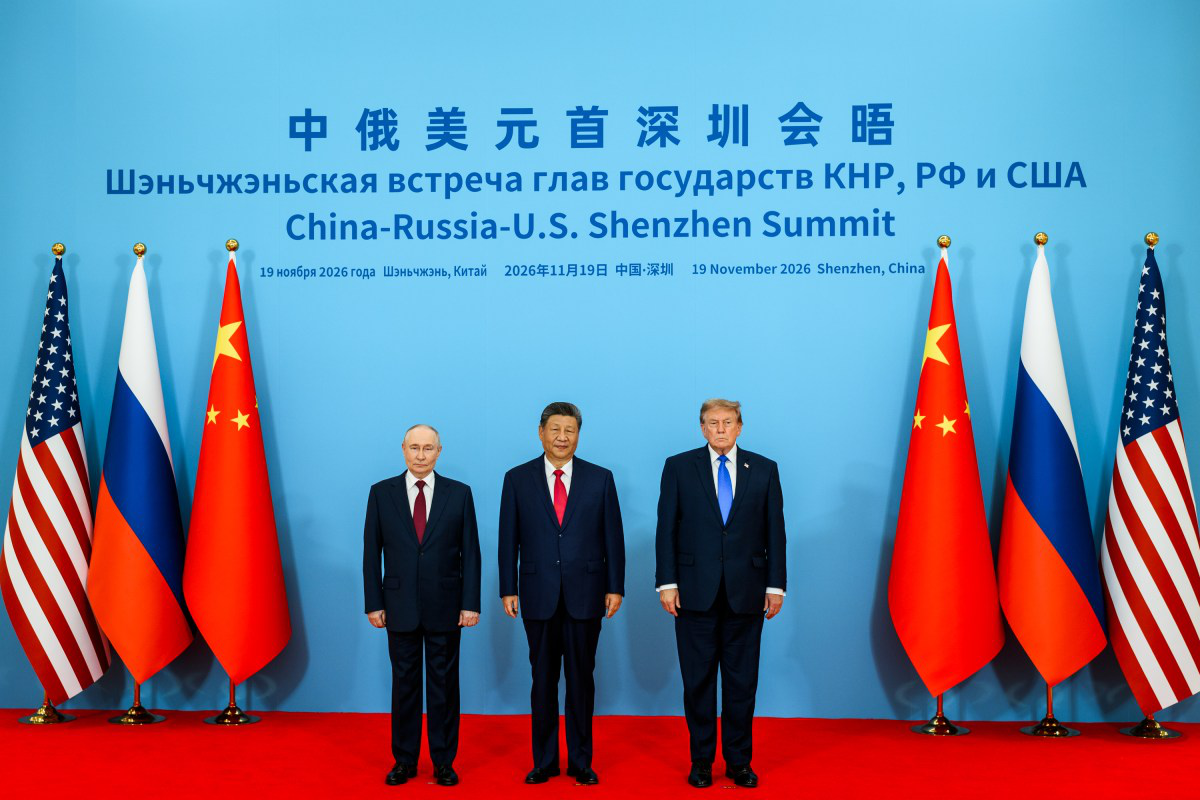
History is often remembered through photographs. But behind every historic diplomatic encounter lies a complex negotiation over power, influence and national interests.
The prospect of Donald Trump, Xi Jinping and Vladimir Putin shaping a new international framework inevitably invites comparisons with the 1945 Yalta Conference, where the United States, the Soviet Union and Britain discussed the foundations of the postwar international order.
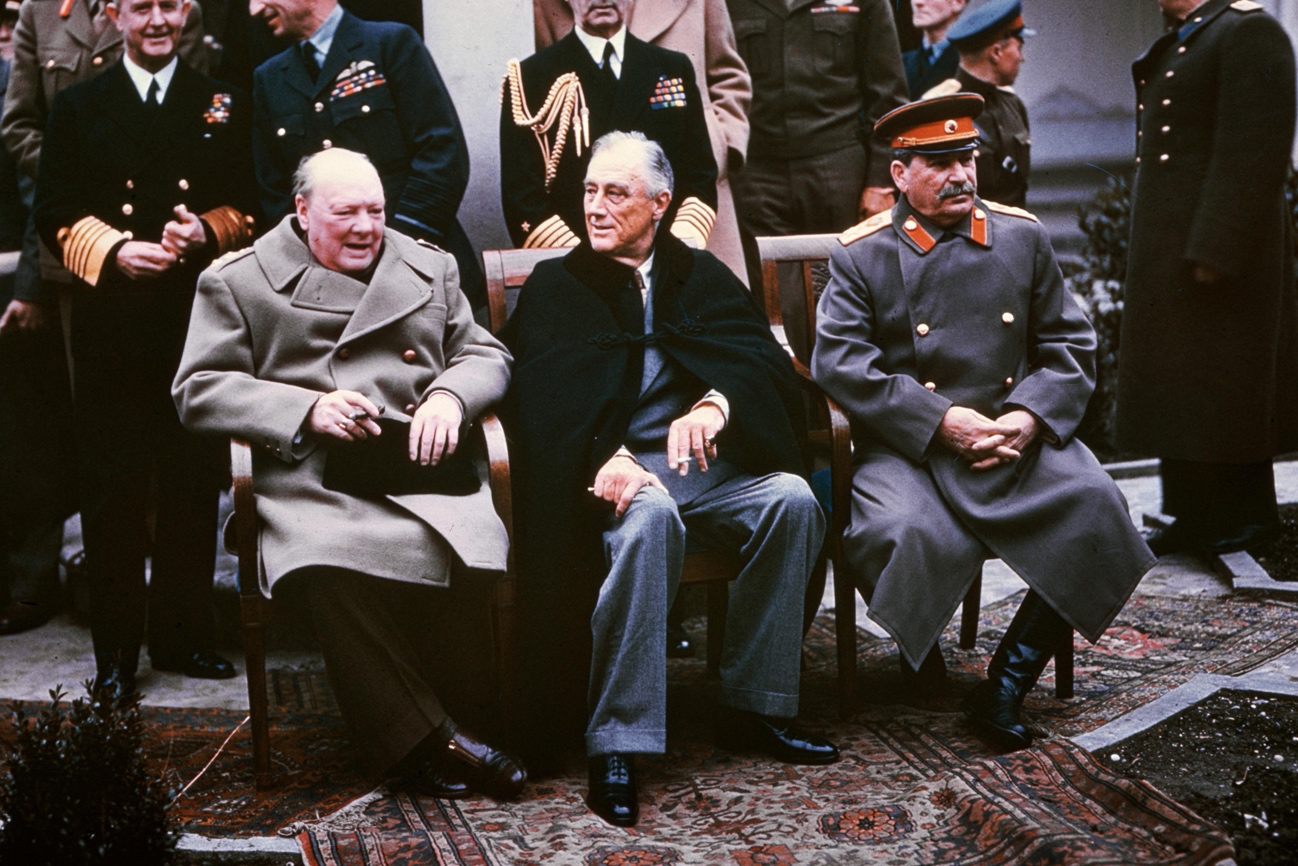
The Yalta Conference, February 1945: A historic meeting that helped shape the postwar international order.
Unlike the wartime allies at Yalta, however, Washington, Beijing and Moscow remain strategic competitors with fundamentally different political systems, economic interests and security priorities.
Their capacity for dialogue should not be confused with a shared vision for the future.
Three Powers, Three Different Ambitions
For Washington, the central challenge is preserving American global influence while managing the economic and military consequences of an increasingly multipolar world.
For Beijing, the objective extends beyond economic dominance. China seeks greater influence over international institutions and the rules governing global affairs.
For Moscow, maintaining its status as a major geopolitical power remains a fundamental strategic priority, particularly amid Western sanctions and confrontation over Ukraine.
These interests may occasionally converge. Nuclear security, energy stability and international trade offer potential areas of cooperation. Yet Taiwan, Ukraine and technological competition expose significant divisions.
The challenge is not whether these countries can cooperate, but whether that cooperation can survive when their strategic interests collide.
A World Order Without the Rest of the World?
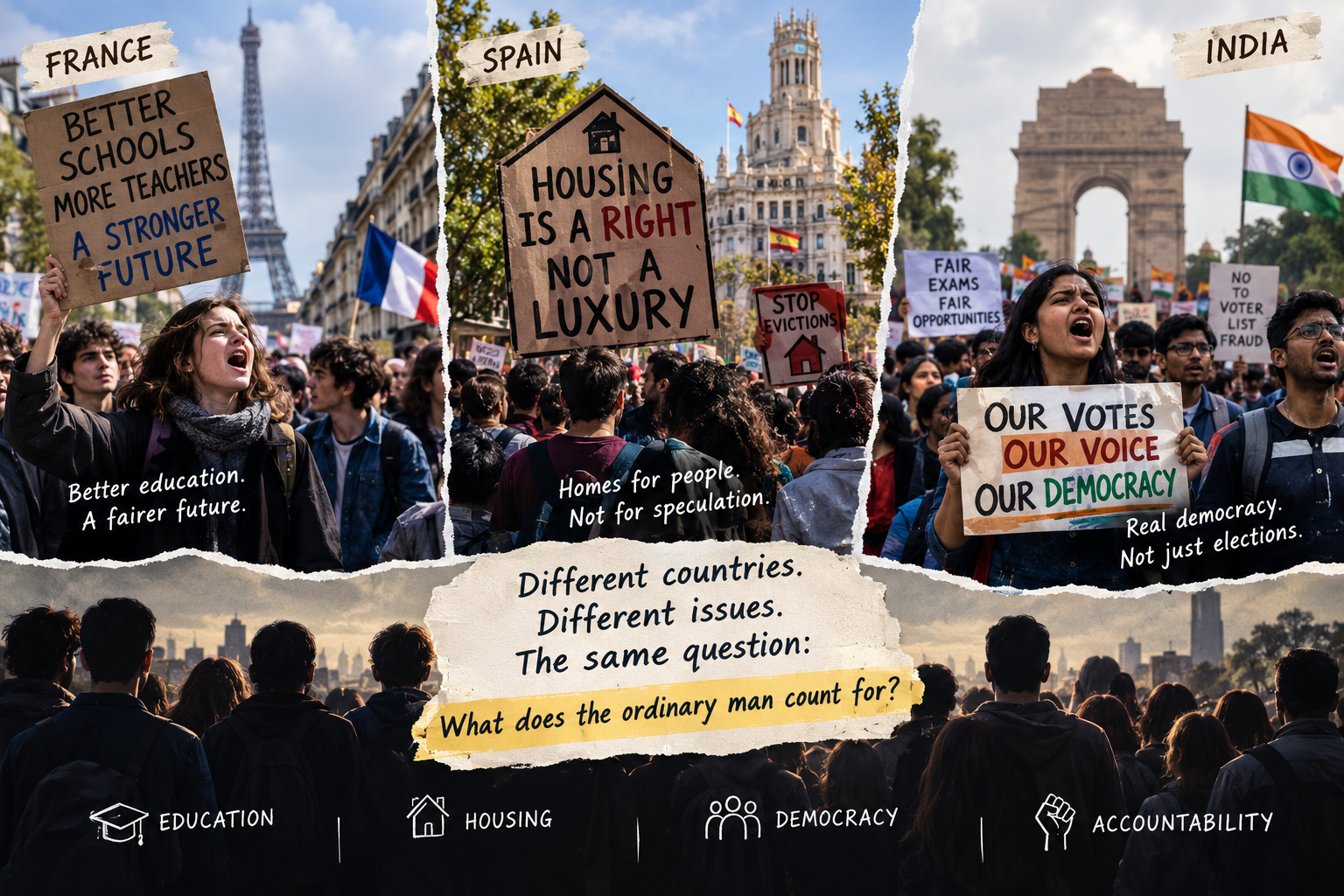
Perhaps the most consequential question concerns the countries outside this emerging geopolitical triangle.
Europe, India, Japan and other regional powers possess substantial economic, diplomatic and security interests that cannot simply be negotiated on their behalf.
For smaller nations, cooperation among major powers presents both opportunities and risks.
Reduced tensions between Washington, Beijing and Moscow could improve international stability. Conversely, a system dominated by great-power bargaining could undermine the sovereignty and diplomatic independence of less powerful countries.
The distinction between a multipolar world and a world divided into competing spheres of influence is particularly important.
Multipolarity distributes power among several international actors. Spheres of influence risk allowing powerful nations to determine the political and strategic choices of their neighbors.
History has demonstrated the dangers of confusing the two.
Cooperation Without Trust
The three countries do not need to become allies to establish productive diplomatic relationships.
Even during the Cold War, Washington and Moscow negotiated important arms-control agreements despite profound ideological hostility.
However, meaningful cooperation requires credible commitments, institutional safeguards and mechanisms capable of surviving political transitions.
Personal diplomacy may open doors, but lasting international agreements cannot depend exclusively on relationships between individual leaders.
The Real Test of Global Leadership
The emergence of a new international order is not necessarily something to celebrate or fear. Its consequences will depend on the principles upon which it is built.
Will powerful nations strengthen international institutions or increasingly bypass them? Will smaller countries retain their independence, or will their interests become bargaining instruments in negotiations among major powers?
Diplomatic engagement between Washington, Beijing and Moscow deserves serious attention. But the legitimacy of any new international framework must extend beyond the interests of these three capitals.
Three leaders may have enough power to reshape the world.
Building a more stable and equitable international order, however, requires something considerably more difficult: accepting rules that apply to powerful nations even when those rules work against their immediate interests.